

Basic cooking skills are the foundation every beginner chef builds before stepping into a professional kitchen. Cooking is more than following a recipe; it is a life skill that blends creativity, technique and confidence.
What Are the 5 Basic Cooking Skills Every Beginner Should Learn First
The five basic cooking skills any beginner should learn first are knife handling, heat control, seasoning, timing and plating. Knife handling teaches grip, posture and the standard cuts (dice, mince, julienne, chiffonade) that every recipe assumes you can already do. Heat control covers the difference between low, medium and high on a gas hob, plus when to use which for sautéing, frying and simmering. Seasoning is the deliberate use of salt, acid, fat and heat across each stage of cooking, not just at the end. Timing is mise en place: prepping every ingredient before the heat goes on. Plating is the visual finish: composition, contrast and clean plate edges. The remaining three skills on this page (baking, roasting and sauce making) layer on top of these five fundamentals.
Knife Skills, the First Cooking Skill Every Beginner Should Build
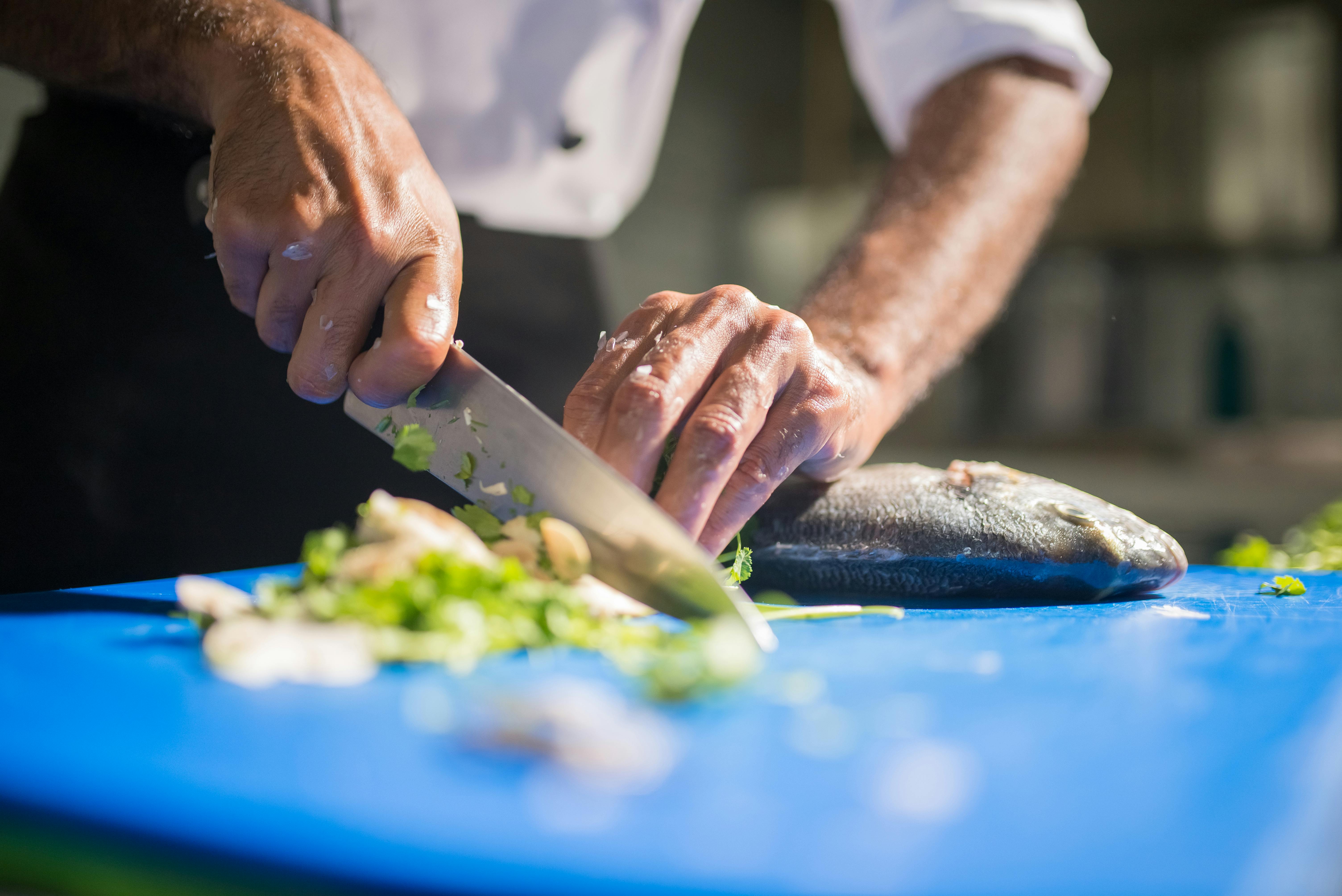
Good cooking starts with good knife skills. A sharp knife in capable hands makes prep work faster, safer, and more enjoyable. Essential tools include a chef’s knife for most tasks, a paring knife for delicate work, and a serrated knife for slicing bread and tomatoes. Holding the knife with a firm pinch grip and maintaining proper posture reduces strain and improves precision.
Master four basic cuts first: dice (onions), mince (garlic), julienne (carrots) and chiffonade (herbs). Keep blades sharp because a dull knife slips and is more dangerous than a sharp one. UAE residents can source quality knives from specialist culinary stores in Dubai and Abu Dhabi.
Sautéing, a Core Cooking Skill for Flavour and Texture
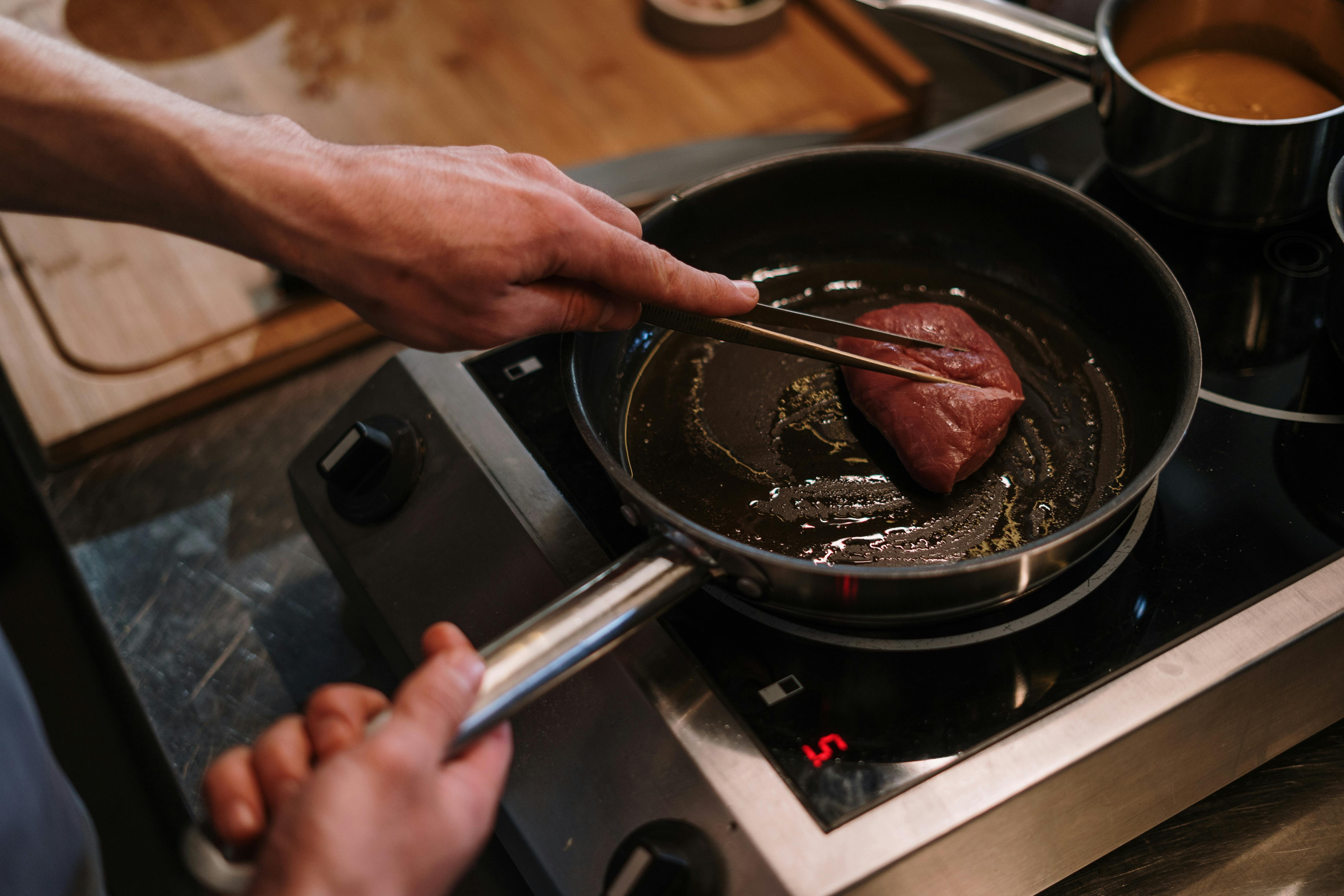
Sautéing is a quick cooking method that develops rich flavours without overcooking. It involves cooking food in a small amount of fat over medium-high heat, letting ingredients caramelise slightly while retaining texture. The choice of oil matters — olive oil for Mediterranean dishes, ghee for South Asian flavours, and neutral oils like sunflower for general cooking.
Controlling heat is key; too low and ingredients will steam, too high and they may burn. Deglazing the pan with stock, wine, or even citrus juice lifts the delicious browned bits, turning them into a sauce that coats every bite. By avoiding common mistakes, like overcrowding the pan, sautéing becomes an easy way to make vegetables, meats, and seafood shine.
Boiling and Simmering, Basic Cooking Skills for Soups and Stocks
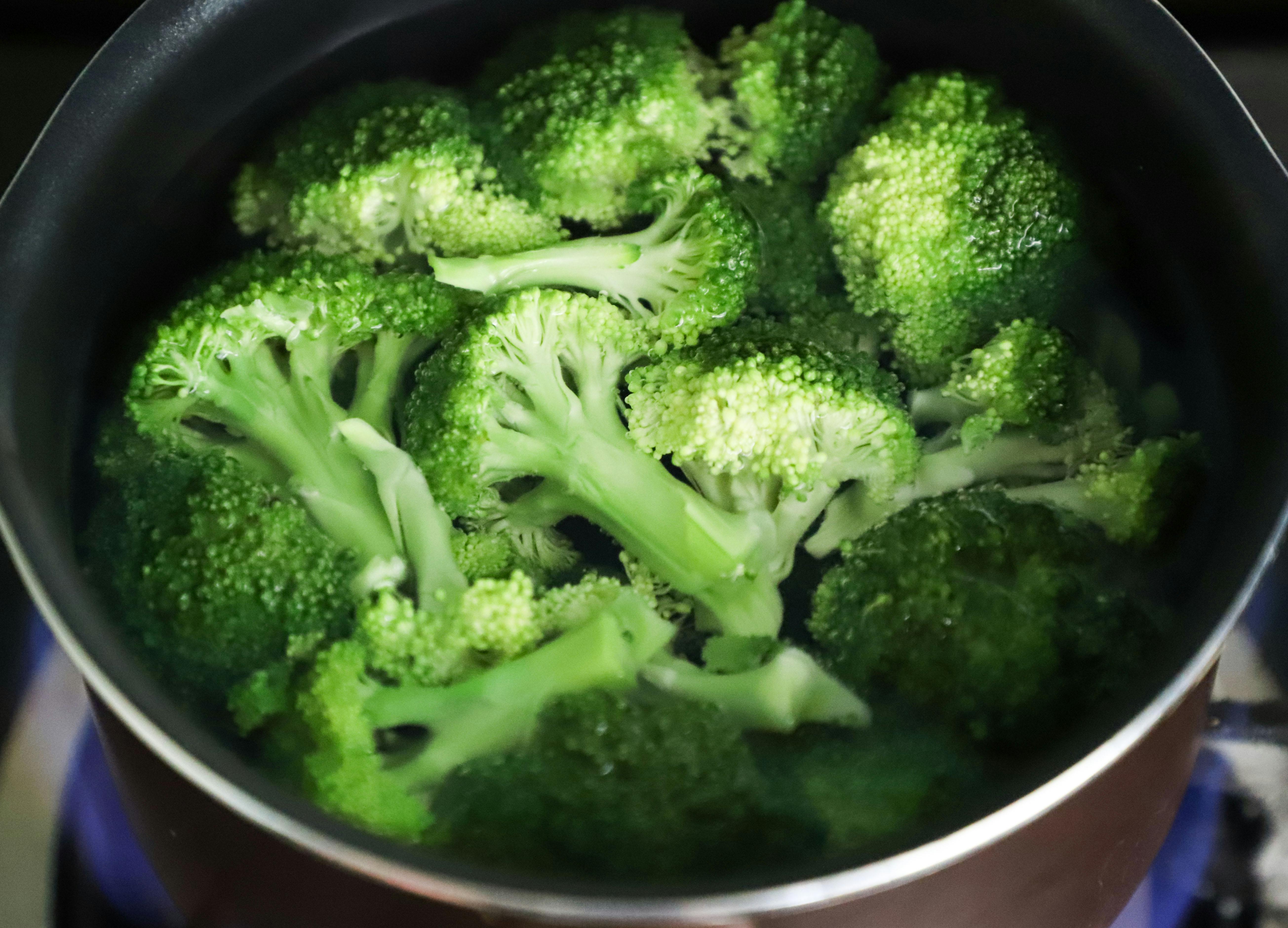
Boiling and simmering might seem simple, but they’re foundational cooking techniques. Boiling rapidly cooks foods like pasta, potatoes, and legumes, while simmering gently melds flavours in soups, broths, and stews. The difference lies in the temperature: boiling is fast and vigorous, simmering is slow and controlled.
In UAE kitchens, these methods are often used for dishes like lentil soup, Arabic spiced rice, and noodle broths. Understanding water-to-ingredient ratios ensures perfect results — too little water leads to uneven cooking, too much dilutes the flavour.
Baking Basics: From Measuring to Masterpieces
Baking is where science meets art, and precision is non-negotiable. The right balance of ingredients, temperature control, and timing ensures consistent results, whether making bread, muffins, or cakes. Essential tools include measuring scales, mixing bowls, baking trays, and an oven thermometer.
In the UAE, high humidity can affect flour and sugar, so proper storage in airtight containers is important. Beginners should start with simple recipes before moving on to more complex pastries. The satisfaction of pulling a perfectly baked loaf or cake from the oven is unmatched.
Roasting: Unlocking Richness in Meats and Vegetables
Roasting brings out deep, caramelised flavours in both meats and vegetables. A marinade or dry rub infuses flavour, while oven temperatures determine the texture — low and slow for tenderness, high heat for crispy exteriors. A good roasting pan helps distribute heat evenly, while sheet pans work well for vegetables.
Local spice blends like Emirati bezar or Middle Eastern za’atar add a regional twist to roast chicken, lamb, or root vegetables.
Grilling: Master the Flame (Even Indoors!)
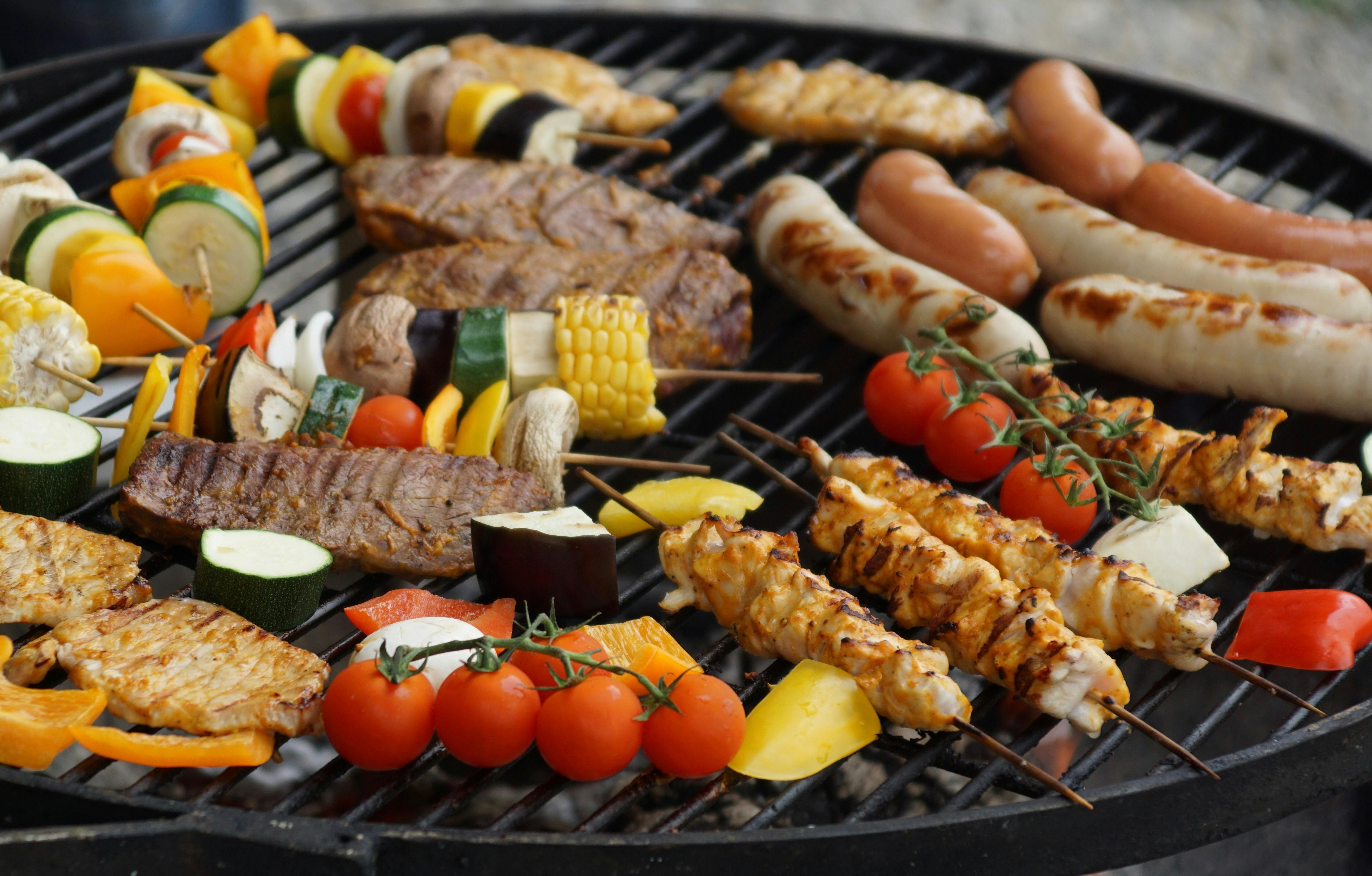
Grilling adds smoky depth to food and can be done on a charcoal grill, gas grill, or stovetop grill pan. Safety is paramount — always handle open flames with care and use a meat thermometer to ensure safe cooking temperatures.
In the UAE, favourites include marinated kebabs, grilled seafood, and halloumi. Marinating not only boosts flavour but also tenderises meats, making every bite juicy and satisfying.
Sauce Making 101: From Mother Sauces to Modern Magic
A good sauce can elevate even the simplest dish. Classic French mother sauces — béchamel, velouté, espagnole, hollandaise, and tomato — form the foundation for countless variations. Understanding emulsions, reductions, and thickeners opens the door to endless creativity.
Fusion sauces that incorporate Emirati, Indian, or Mediterranean spices allow for personal flair, while troubleshooting skills, like fixing a broken emulsion, ensure success every time.
Plating and Presentation: Because We Eat With Our Eyes First
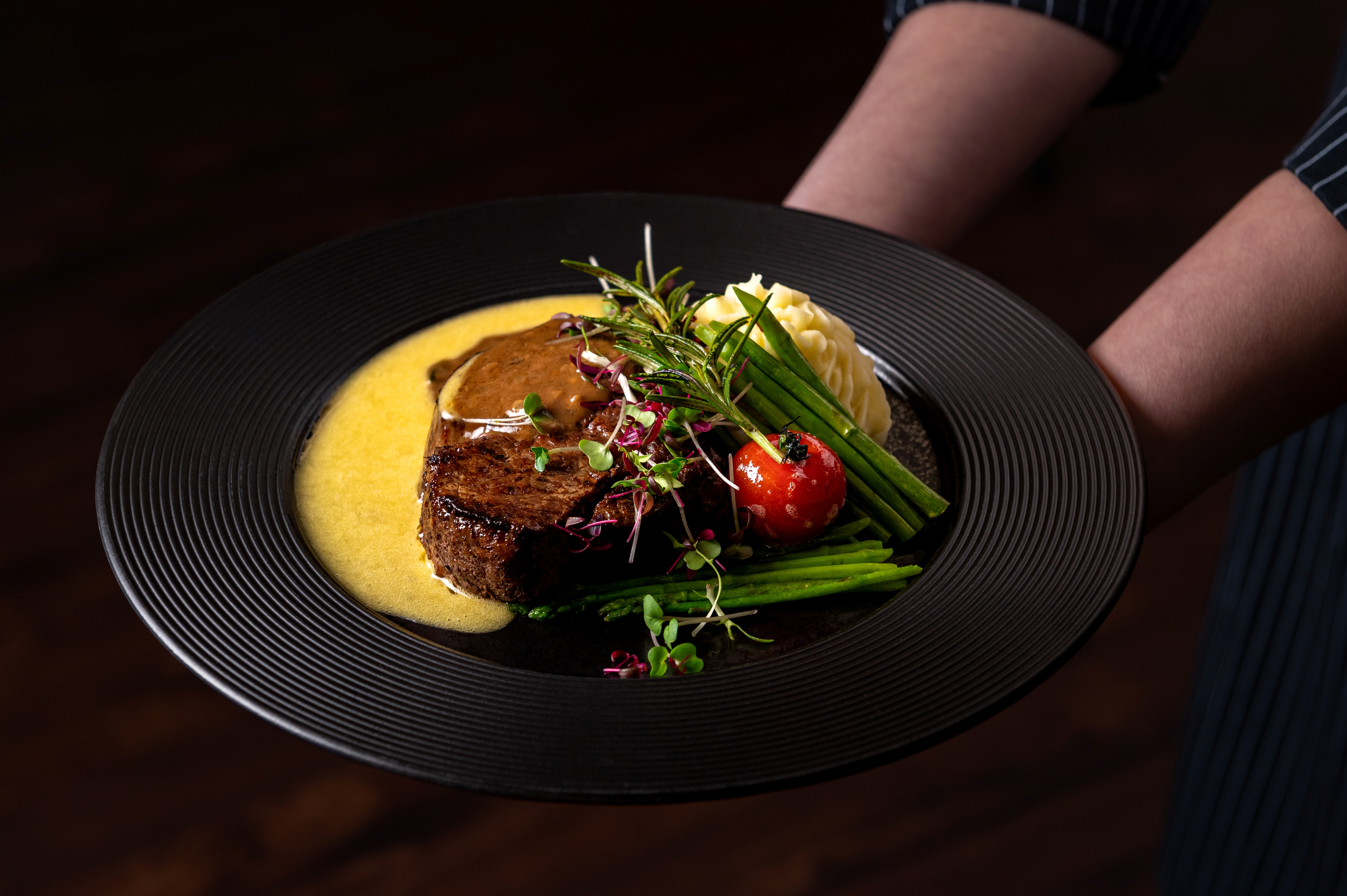
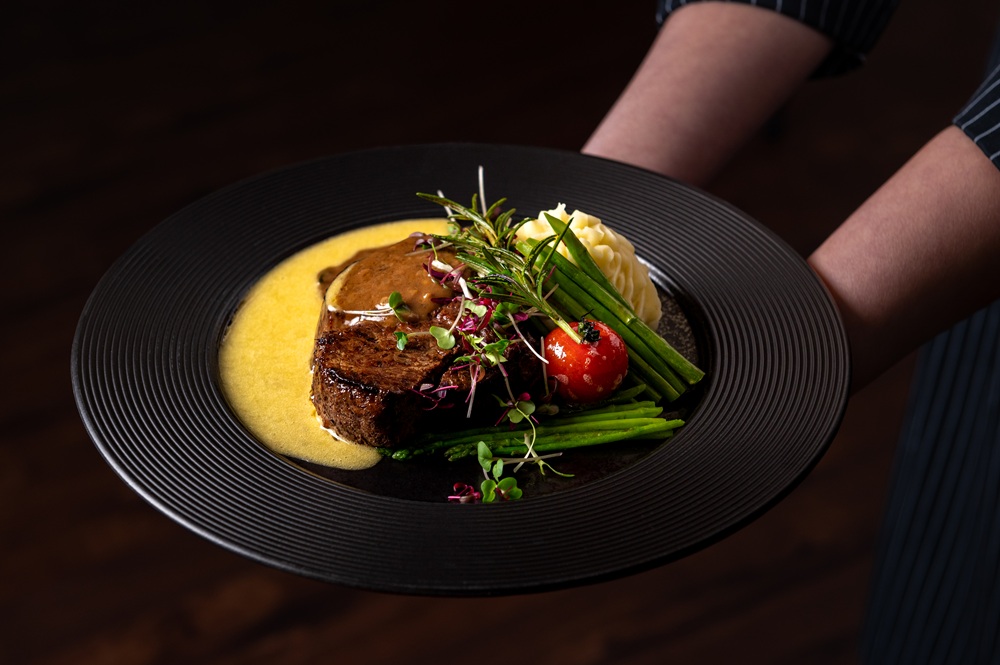
Plating is composition. Balance colour, texture and shape on the plate, use squeeze bottles and plating rings for precision, and let garnishes support the dish rather than crowd it. In UAE kitchens, traditional plates use dates around desserts, saffron rice topped with nuts, and Arabic coffee served alongside sweets.
How to Learn Cooking Skills at Home and in a Professional Kitchen
Self-Taught Routes
Most beginners learn cooking skills in three places: watching a parent or partner cook, following a published recipe, and reverse-engineering a dish they have eaten in a restaurant. The fastest at-home progression pairs one technique per week (knife work, sautéing, simmering) with a single dish that depends on it. Mistake-driven learning works because a curdled béchamel or a burned onion teaches the underlying chemistry in a way a video cannot. The ceiling on self-taught cooking is consistency: home cooks plateau when the same dish comes out differently each time, which signals it is time for structured feedback.
Structured Programmes and Why They Compress the Learning Curve
A structured culinary programme compresses the same learning into months instead of years because each session is graded against a published standard. ICCA Dubai's Professional Diploma in Cookery, delivered under City and Guilds accreditation, runs nine months full-time and assesses knife work, heat control and the five French mother sauces against UK-awarded competence criteria. Short courses cover a single technique (knife skills, bread making, plating) in one to five days, useful for home cooks who want to fix one specific weakness rather than commit to a full diploma. The decision rule is simple: pick a structured route when consistency is the gap, pick self-taught when curiosity is the gap.
Whether you dream of running your own restaurant, becoming a personal chef, or simply cooking with confidence at home, ICCA Dubai offers internationally accredited culinary programs to help you master both the fundamentals and advanced techniques. Learn from industry experts, gain real-world experience, and bring your culinary vision to life.
Frequently Asked Questions
Q: What are the 5 basic cooking skills every beginner should learn?
A: The five basic cooking skills are knife handling, heat control, seasoning, timing (mise en place) and plating. These five are the foundation under every other technique. Once you can dice an onion cleanly, control the difference between sauté and simmer, season at every stage, prep before the heat goes on and plate without smudges, the eight named techniques on this page (knife skills, sautéing, boiling, baking, roasting, grilling, sauce making and plating) become easier to layer on.
Q: What are the basic cooking techniques every recipe assumes you can do?
A: Basic cooking techniques fall into three groups: dry-heat methods (sautéing, roasting, grilling, baking), wet-heat methods (boiling, simmering, poaching, steaming) and finishing methods (sauce making, plating, garnishing). Every published recipe assumes you can switch between these without instruction. Mastering one technique per category covers about 80 percent of the dishes a beginner home cook will attempt.
Q: How long does it take to learn basic cooking skills?
A: A motivated home cook can build the five foundation skills in 8 to 12 weeks by practising one technique per week with a single dish that depends on it. The full eight on this page typically take 4 to 6 months at home. A structured culinary programme like ICCA Dubai's Professional Diploma in Cookery compresses both into 9 months full-time with graded feedback at every stage.
Q: Are cooking skills and culinary skills the same thing?
A: Cooking skills and culinary skills overlap but are not identical. Cooking skills are the practical techniques (knife work, sautéing, sauce making) that produce a dish. Culinary skills is the broader term that includes cooking skills plus menu design, food costing, kitchen organisation, plating theory and an understanding of cuisine traditions. A home cook builds cooking skills; a professional chef builds culinary skills.
.jpg)
.jpg)

.jpg)
.jpg)
.jpg)

